







Search Results for: Regular Ice

A Comprehensive Analysis of Four Ice Levels for Iced Americano: Ratios and Flavor Differences for Regular Ice, Less Ice, No Ice, and Extra Ice
Walk into any chain coffee shop, and just the Americano alone can give you a case of choice paralysis—regular ice, less ice, no ice, and even the secret-menu full ice. These seem like nothing more than differences in the amount of ice, but in reality they fundamentally change a cup of coffee's strength, aroma direction, and mouthfeel. This article will break down, one by one, the key preparation points and taste characteristics of four ice-level Americanos, from the ratio logic and operating steps to the final flavor, and will use Front Street Coffee's commercial blend as the unified test bean to help you make the cup that suits your taste, whether at home or in a shop. [more…]
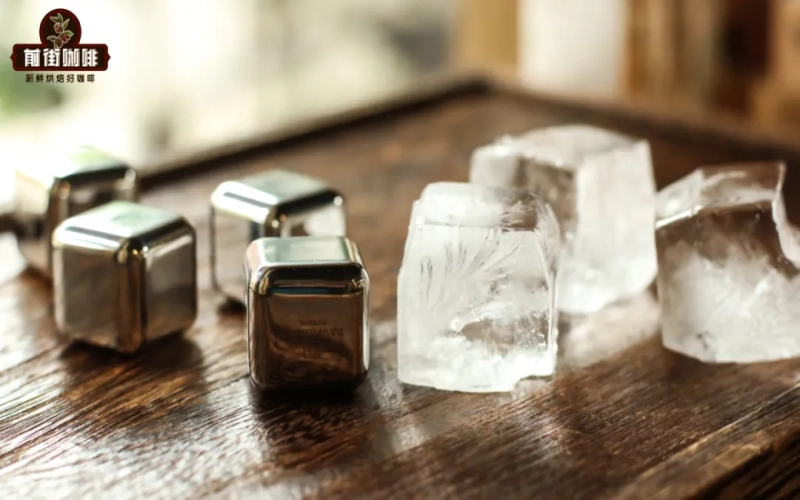
Replacing Regular Ice with Stainless Steel Ice Cubes for Iced Pour-Over? Front Street Tests Cooling Effect and Flavor Differences
On a scorching summer day, you want to drink iced pour-over but worry the flavor will be watered down, so a friend suggests: use stainless steel ice cubes to cool down hot pour-over—wouldn't that give you both full flavor and a refreshing chill? This idea sounds beautiful, but through comparative experiments, Front Street Coffee found that although stainless steel ice cubes can preserve coffee concentration, they fall short of traditional ice cubes in temperature and mouthfeel. This article documents in detail the parameter differences between regular iced brew and the experimental iced brew with stainless steel ice cubes, the actual measured temperature results, and the inherent shortcomings of stainless steel ice cubes—slow cooling and not cold enough—to help you decide whether they are worth using in iced pour-over. [more…]

How Is a Shaken Ice Americano Different from a Regular Ice Americano? A Complete Analysis from Principles to Three Brewing Methods
The quicksand iced americano, with its visual effect of fine sand-like particles slowly settling in the cup, has always held a place among creative coffees. How exactly does it differ from a regular iced americano? From the perspective of Front Street, this article first explains the aeration principle behind the "quicksand" phenomenon, then provides reference ratios of espresso to ice water, and breaks down three preparation methods one by one: steam wand, French press, and manual or electric milk frother. Regardless of which tool is chosen, the finished drink has a rich, smooth texture and delivers an experience similar to foamy beer. The article also specifically notes: Front Street's stores do not offer this beverage. [more…]
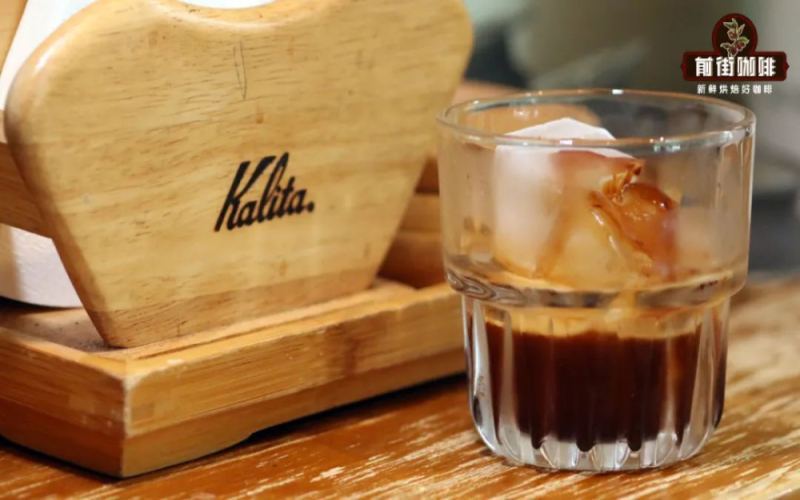
Complete Guide to Full-Ice Americano: Differences from Regular Iced Americano and Secret Menu Ordering Tips
Have you ever heard an order like this in a coffee shop—"Iced Americano, no water"? This seemingly simple drink is actually the all-ice Americano hidden behind the menu. It completely replaces the water in an Americano with ice cubes, allowing the espresso to lock in its aroma through rapid cooling, presenting a richer, more layered flavor. This article starts from Front Street Coffee's actual production and breaks down in detail the recipe ratio of the all-ice Americano, its taste differences compared with a regular iced Americano, and, combined with the concept of "extract chilling" proposed at the 2021 WBC Barista Championship, guides you to understand the flavor logic behind this way of drinking it. If you are also curious about exactly how espresso over ice is different, read on. [more…]
How does the Paragon ice ball affect pour-over coffee extraction? A hands-on comparison of aroma and temperature differences
The Paragon ice ball, which made its debut at the WBC Brewing Championship, claims to lock in 40% of volatile aromatics, making coffee flavor fuller. It preserves aromatic compounds by cooling the extracted liquid, but how does it actually perform? Front Street Coffee conducted a comparative brew using Panama Boquete Geisha, one regular and one with the ice ball, tasting from temperature to aroma to acidity one by one. The results revealed that the ice ball's main function is actually to lower the coffee's temperature, reducing sensory obstacles caused by high heat. Is it worth buying? This article reveals the answer for you. [more…]
Analysis of the Flavor Differences Between Ice Bock Latte and Regular Latte, and a Detailed Guide to Making Ice Bock Milk at Home
In recent years, ice bock milk coffee has set off a craze in the coffee world, with many cafés offering it as a signature product, and the refrigerated refined milk launched by Biro further fueled this trend. But even before that, some coffee shops were already using homemade ice bock milk to make drinks. So what exactly is ice bock? How does it differ in flavor from an ordinary latte? This article will start with the origin and principles of ice bock, teach you step by step how to make ice bock milk at home, and share Front Street Coffee's review of the flavor characteristics of ice bock milk, as well as its excellent performance when paired with espresso to make a Dirty. [more…]

How do you make a delicious sparkling iced Americano? How does it differ from a regular iced Americano?
On a scorching summer day, a glass of icy, fizzy sparkling Americano is undoubtedly a great way to beat the heat. Its ingredients aren't complicated—just ice cubes, soda water, and espresso—but making one that truly tastes good requires attention to every detail, from ingredient selection to preparation. The carbonation level of the soda water, the size of the ice cubes, and the roast profile of the coffee beans all directly influence the final flavor. Carbonation amplifies the coffee's flavors, so when choosing beans, espresso blends or SOEs with prominent fruity notes are more recommended. In addition to sharing the key points for making a sparkling iced Americano and bean recommendations (such as Front Street Coffee Strawberry Candy Espresso, Front Street Coffee Florals SOE, etc.), this article will also clarify exactly how it differs from a regular iced Americano. [more…]

Japanese Iced Coffee Brewing Guide: Iced Americano vs Cold Brew, Iced Pour-Over Recipe, and Whether You Can Order It Without Ice
Japanese coffee culture has long been renowned for its artisan spirit, with a preference for rich, full-bodied medium-dark roast flavors—Blue Mountain and Mandheling being typical examples. In the heat of summer, iced coffee is naturally indispensable. This article focuses on Japanese-style iced coffee, introducing the advantages of its quick preparation, its differences from cold brew and iced Americano, and providing complete parameters for iced pour-over using beans such as Front Street Yirgacheffe—including dose, ice ratio, water temperature and grind size, blooming, and staged pouring techniques. It also addresses the question of whether cold brew iced coffee can be served without ice, and reminds readers of the impact of low temperature on flavor perception, helping coffee enthusiasts make a refreshing, bright cup of iced coffee in summer. [more…]
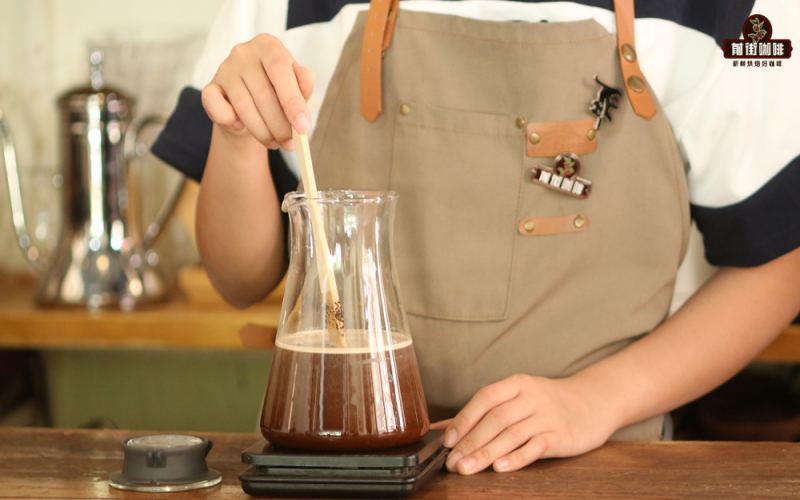
Cold Brew Coffee Beginner's Guide: Differences Between Nitro Cold Brew and Regular Cold Brew and Coffee Bean Selection Tips
Cold brew coffee has taken the specialty coffee world by storm in recent years. Extracted through prolonged steeping in cold water, it delivers a smooth and delicate flavor profile. This article provides a systematic introduction to the definition and origins of cold brew coffee, compares the differences between nitro cold brew and regular cold brew, and shares in detail the cold brew and ice drip recipes from Front Street Coffee. From equipment preparation and grind size adjustment to coffee-to-water ratios, we'll walk you through making a summer cold brew specialty drink at home that balances aroma and mouthfeel, along with flavor references for beans such as Panama Butterfly and Honduras Sherry. [more…]
Jasmine Milk White Guava new drink criticized for astonishing amount of ice: the "less ice" option is practically useless, with ice filling half the cup.
Molly Tea recently launched its seasonal limited-edition "Exotic Guava Series," and the two new drinks—"Jasmine Cream Guava" and "Jasmine Guava Milk Skin"—quickly attracted a large number of consumers eager to try them, thanks to the pretty pink appeal of red-fleshed guava. However, not long after they hit the shelves, feedback flooding social platforms unexpectedly converged on one focal point—too much ice. Many customers found that even when they chose "less ice," the drink shrank by more than half after the ice was scooped out; some even fished thirty-five ice cubes out of a single less-ice drink. What exactly is going on here? And what secrets lie behind the ice standards at tea beverage shops? As an observer deeply engaged in coffee and beverage culture, Front Street Coffee is also paying attention to this phenomenon. [more…]

A Complete Guide to Common Coffee Types in Cafés: From Espresso to Cold Brew, the Differences Between Iced Americano, Latte, Piccolo, and Dirty
Walking into a café and facing the dazzling array of coffee names on the menu, have you ever hesitated: what exactly is the difference between an Americano, a Latte, a Dirty, and a Flat White? In fact, these common coffees can be grouped into three major camps—the espresso family, the drip coffee family, and the cold brew family. Espresso-based drinks use espresso as their foundation and, by adjusting the types and proportions of ingredients, have evolved into a rich variety including the Americano, Latte, Cappuccino, Flat White, Dirty, and Mocha; drip coffee, on the other hand, covers pour-over and cold drip, emphasizing clean, transparent layers of flavor; cold brew coffee uses immersion to deliver a full, rich mouthfeel. In this article, Front Street Coffee will guide you through the production logic, key parameters, and flavor characteristics of each category, and share application suggestions for beans such as Front Street Dark Cocoa Blend, Huakui, and Mozart, helping you easily pick the cup you love. [more…]
How to Make Japanese-Style Iced Pour-Over Coffee? A Full Breakdown of Its Characteristics, Steps, and Brewing Key Points
Japanese coffee culture has long been known for its artisan spirit, and local coffee lovers prefer rich, full-bodied dark roasts—Blue Mountain and Mandheling are typical examples. But on a hot summer day, a refreshing glass of iced coffee is equally indispensable. The Japanese-style iced coffee method is actually not complicated—prepare ice cubes in the cup, then extract using the regular hot pour-over method. Its biggest advantage is that it's quick to make, with no need to wait all night like cold brew, yet the result is full-flavored and bright. This article will use a recipe of 15g coffee grounds and 100g ice as an example, explaining the complete Japanese-style iced pour-over process step by step—from bean selection, grind size, and water temperature to staged pouring—and summarize key points such as the ice-to-water ratio and extraction yield adjustment, to help you brew a refreshing and delicious cup at home. [more…]

Fancy Ways to Drink Americano | Can You Make Latte Art with Americano? Does Americano with Milk Taste Good? Isn't a Long Black the Same Drink as an Americano?
As everyone knows!! In espresso coffee, the combination of milk and coffee has an extremely rich variety of ways to be enjoyed. Just by slightly changing the method or parameters, milk and coffee alone can be made in countless ways. The well-known ones include latte, cappuccino, flat white, piccolo, cortado, macchiato, and so on and so forth. And on the other hand, [more…]
Is an All-Ice Americano Actually Good? The Making Method and Flavor Analysis of a Water-Free Ice Americano
Americano is usually made by diluting espresso with water, but there is a special approach—adding not a single drop of water, and instead using only ice cubes to replace the water portion. This is what is known as an "all-ice Americano." A barista at Front Street Coffee once encountered a customer who specifically asked for an "iced Americano, no water." What exactly makes this way of drinking coffee so special? This article will walk you through how an all-ice Americano is made, the WBC competition concept it draws on—Extract Chilling—and how it actually differs from a regular iced Americano in terms of concentration, bitterness, and aroma layering, helping you decide whether this water-free iced Americano is worth trying. [more…]

Types of Espresso Drinks | Are There Big Differences Between Iced Americano, Iced Latte, Cortado, Flat White, and Dirty? What Is the Espresso Extraction Ratio? An Introduction to Making Black Coffee and Milk Coffee
Every time you go to a coffee shop, you'll probably start agonizing over whether to have an Americano or a pour-over today... or whether to go with a latte or a Dirty! Faced with a dazzling coffee menu and coffee products that all seem to look pretty much the same, what's actually the difference? In this article, Front [more…]

Origin of the Dirty Coffee | Must you use ice bock to make a dirty coffee? How do the taste and mouthfeel of a dirty differ from an iced latte?
Dirty coffee has always existed as a hidden menu item at Front Street Coffee, because in Front Street's view, Dirty is simply a "special" way of drinking a latte. Until one day, I happened to overhear a customer explaining it to his friend, which boiled down to "Dirty is made with ice bock milk [冰博克奶] as the base, then pouring espresso over it." [more…]
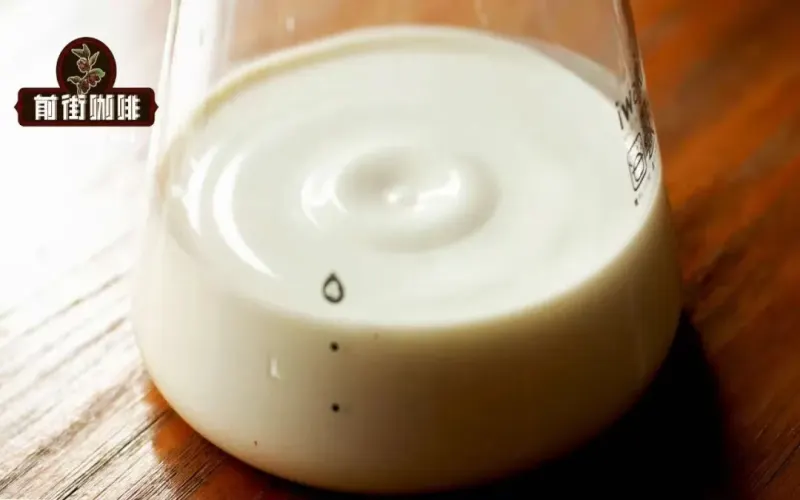
A Guide to Producing Purified Milk: Can Eisbock Be Used for Dirty and Lattes? A Full Analysis of the Freeze-Distillation Purification Method and Ratio Adjustments
Front Street has recently been sharing a lot about ice bock (concentrated milk), and quite a few friends are curious about how it actually differs from milk coffee made with regular fresh milk. Simply put, concentrated milk tastes richer and has a thicker mouthfeel. If you haven't tried it yourself, it's hard to imagine the texture, so you might as well make a cup and experience it. Besides buying ice bock online, you can also make it at home with just two steps: freezing and thawing. In this article, Front Street will break down in detail the principles of the freeze-concentration method, the key operational points, and separately explain the ratio strategies for using concentrated milk to make a Dirty and other milk coffees (such as lattes, flat whites, and cappuccinos)—for a Dirty, you can directly replace it in equal amounts, while for blended milk coffees, you need to adjust the amount of milk to avoid masking the coffee's flavor. It also retains product recommendations such as Front Street's classic blend and Queen's Estate SOE. [more…]

A Detailed Explanation of the Principles and Methods of Americano Latte Art: Using Foamed Coffee Liquid Instead of Milk, Including a Practical Guide with Front Street Classic Blend
Latte art has always been regarded as the exclusive domain of lattes, but Americano can actually achieve beautiful patterns too. This article starts from the basic principles of latte art—the proteins in milk wrap around air to form a low-density foam, which floats on the surface of espresso crema to create patterns—and then leads into the feasibility of using the coffee liquid itself to foam instead of milk. We will share in detail how to froth espresso by adding ice water to increase the liquid volume and lower the temperature, and provide a complete hands-on demonstration using Front Street Classic Blend. Finally, we compare the differences in flavor, strength, and mouthfeel between latte-art Americano and regular hot Americano, offering coffee enthusiasts a completely new way to experience Americano. [more…]

Types of Iced Coffee | What Are the Flavor and Characteristic Differences Between Ice Drip Coffee, Cold Brew Coffee, and Cold Brewed Coffee? How Can Coffee Beginners Make Ice Drip and Cold Brew?
It's May, and summer has arrived. In the scorching heat of Guangzhou, even after rain, it remains so muggy that without a refreshing cold drink, one truly lacks the courage to survive in this furnace-like city. That's why recently, many more friends have been coming to Front Street Coffee (FrontStreet Coffe [more…]
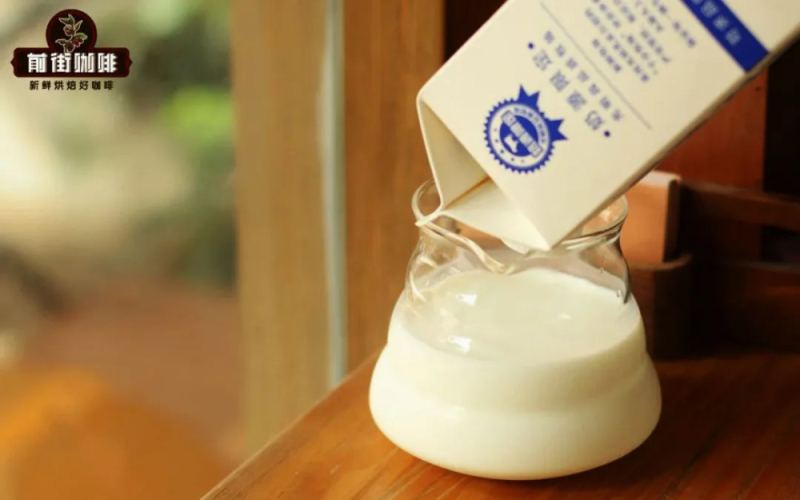
Can IceBock milk be drunk directly? A hands-on guide to making your own IceBock Dirty coffee
Can icebock milk be drunk directly? Is it really difficult to recreate an icebock Dirty coffee at home? This time, Front Street Coffee steps up personally, starting from the principle of freeze distillation and demonstrating step by step how to make rich, mellow icebock at home using a refrigerator and fresh milk, as well as putting its concentration difference against regular fresh milk to the test. The article also shares the complete process of making a Dirty with icebock, including cup size selection, extraction parameters, and flavor performance. If you are also curious about this kind of purified milk with a cheesy, savory note and a viscous mouthfeel, why not follow along with Front Street Coffee and give it a try. [more…]